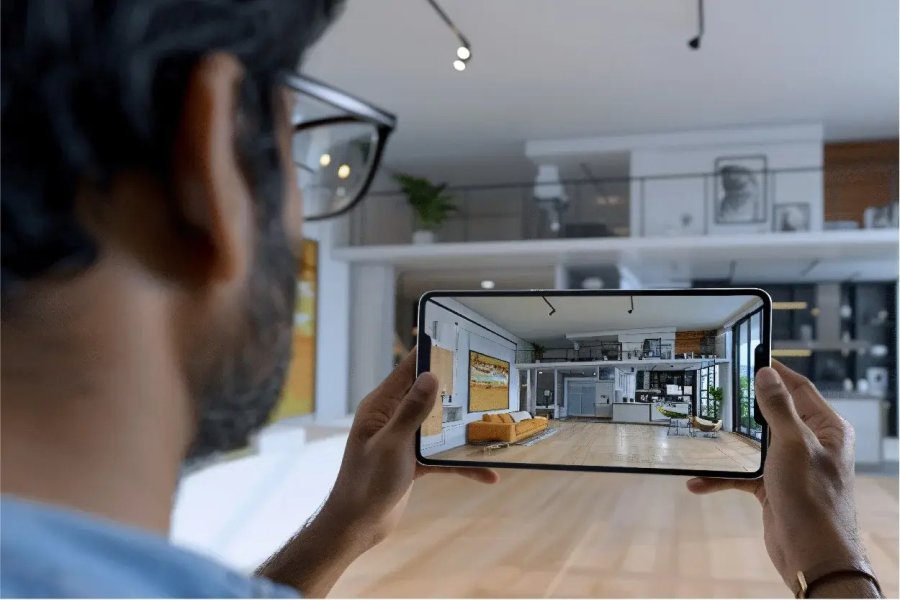
The concept of a smart home has evolved significantly over the last few years. What once seemed like science fiction is now a reality, thanks to the Internet of Things (IoT). IoT refers to the interconnected network of devices that can communicate with each other over the internet, making it possible to control various aspects of your home from anywhere. From smart thermostats to voice-activated assistants, IoT is shaping the future of living by making homes smarter, safer, and more efficient.
In this article, we will explore how IoT is transforming our living spaces, the benefits of smart homes, and what to expect as this technology continues to advance.
What Is a Smart Home?
A smart home is a residence equipped with devices that allow homeowners to control systems and appliances remotely. These devices are connected through the internet, and they can be controlled via smartphone apps, voice commands, or automation systems. Common smart devices include:
-
Smart thermostats for controlling home temperature
-
Smart lighting for adjusting brightness and color remotely
-
Smart security cameras for monitoring the home
-
Smart locks for keyless entry and remote access
These devices are part of the broader IoT ecosystem, where each device communicates with others to enhance the efficiency, comfort, and security of the home.
The Role of IoT in Smart Homes
IoT plays a crucial role in making smart homes a reality. By connecting everyday objects to the internet, IoT enables them to send and receive data, creating an integrated, responsive system that can be controlled remotely or set to operate automatically.
Home Automation and Convenience
One of the main draws of smart homes is the convenience they offer. IoT devices allow homeowners to automate various tasks, reducing the need for manual intervention. For example, smart lighting systems can be set to turn on or off at specific times, or even when you enter or leave a room, based on motion sensors.
Similarly, smart thermostats can learn your preferences and adjust your home’s temperature based on your routine. Whether you want to save energy by cooling or heating your home only when needed, or just want to ensure comfort, IoT makes it easy.
Energy Efficiency
IoT-enabled devices play a significant role in making homes more energy-efficient. Smart thermostats can automatically adjust temperature settings to save energy when you’re not home, while smart lighting can help reduce electricity consumption by turning off lights when not in use.
Additionally, IoT systems can monitor energy usage in real-time, providing feedback on how to optimize energy consumption. This level of control can lead to lower utility bills and a smaller carbon footprint, making smart homes an attractive choice for eco-conscious homeowners.
Security and Monitoring
IoT technology has greatly improved home security. With smart security systems, you can monitor your home in real-time from anywhere in the world. Smart cameras, doorbell cameras, and motion sensors can alert you to unusual activity, and you can even speak to visitors through smart doorbells.
Smart locks also enhance security by allowing homeowners to remotely lock or unlock doors, grant access to guests, or check if the doors are secure when they’re away. With integrated smart security systems, your home’s safety is no longer limited to traditional alarm systems or surveillance cameras.
The Future of Smart Homes
The future of smart homes is incredibly exciting, with IoT technology continuing to advance at a rapid pace. Here are some of the trends to expect in the coming years:
Increased Interconnectivity
As IoT devices continue to evolve, they will become even more interconnected. For example, your refrigerator may notify you when you’re running low on groceries, and your smart lights may adjust to the natural light levels in your home, creating a more comfortable environment. As devices become more integrated, your home will become a more seamless and intuitive space to live in.
Voice Control and AI Integration
Voice assistants like Amazon Alexa, Google Assistant, and Apple Siri have already become common in smart homes. In the future, AI-powered voice control will become even more sophisticated, allowing for deeper integration with home systems. Homeowners will be able to control every aspect of their environment, from adjusting the temperature to playing music, using only their voice.
Moreover, AI will help devices learn your habits and preferences, further enhancing automation. For example, your thermostat could adjust to your optimal temperature based on your activity, time of day, and even weather patterns.
Improved Security Features
As smart home technology advances, security features will become even more robust. Biometric authentication, such as facial recognition or fingerprint scanning, could be used to enhance home security. Additionally, the integration of AI will allow for more accurate threat detection, helping to identify potential intruders before they even reach your front door.
Sustainability and Smart Homes
As climate change becomes an increasingly urgent issue, smart homes will play a critical role in sustainability. More smart home products are being designed with energy efficiency in mind, and IoT devices can track and manage water consumption, waste, and energy use in real-time.
Moreover, renewable energy sources like solar panels will be more easily integrated into smart homes, allowing homeowners to monitor energy production and consumption. This will contribute to greater energy independence and further reduce a home’s environmental impact.
Challenges and Considerations
While the future of smart homes looks promising, there are still challenges and considerations. Privacy and security concerns are at the forefront. With so many connected devices, the risk of hacking or unauthorized access increases. Manufacturers are working hard to address these issues with stronger encryption, better authentication methods, and secure communication protocols.
Additionally, while the initial investment in smart home technology can be high, the long-term savings from increased energy efficiency and automation make it a worthwhile investment for many. However, it’s important to carefully consider your needs and the compatibility of devices before committing to a fully connected home.
Conclusion
The rise of smart homes, driven by IoT technology, is revolutionizing the way we live. From convenience and energy efficiency to enhanced security, IoT is transforming homes into smarter, more responsive spaces. As technology continues to evolve, the future of smart homes promises even greater integration, AI-powered automation, and sustainable living solutions.
Whether you’re looking to improve comfort, save energy, or enhance security, the possibilities of IoT in the home are endless. As the technology becomes more accessible, we can expect smart homes to become a standard part of everyday living in the not-too-distant future.
Frequently Asked Questions
What is a smart home?
A smart home is a residence equipped with IoT devices that allow homeowners to control various systems and appliances remotely, such as lighting, temperature, and security.
How do smart homes work?
Smart homes work by connecting devices through the internet, allowing them to communicate with each other. This enables homeowners to control and automate functions like lighting, temperature, and security.
What are the benefits of a smart home?
Smart homes offer benefits like increased convenience, energy efficiency, enhanced security, and improved comfort. Automation reduces manual tasks, and real-time monitoring allows for greater control over household systems.
What are some common smart home devices?
Common smart home devices include smart thermostats, smart lighting, smart security cameras, smart locks, and voice assistants like Amazon Alexa or Google Assistant.
Will smart homes be more affordable in the future?
As technology advances and demand for smart devices grows, the cost of smart home products is expected to decrease, making them more accessible to a wider range of consumers.
